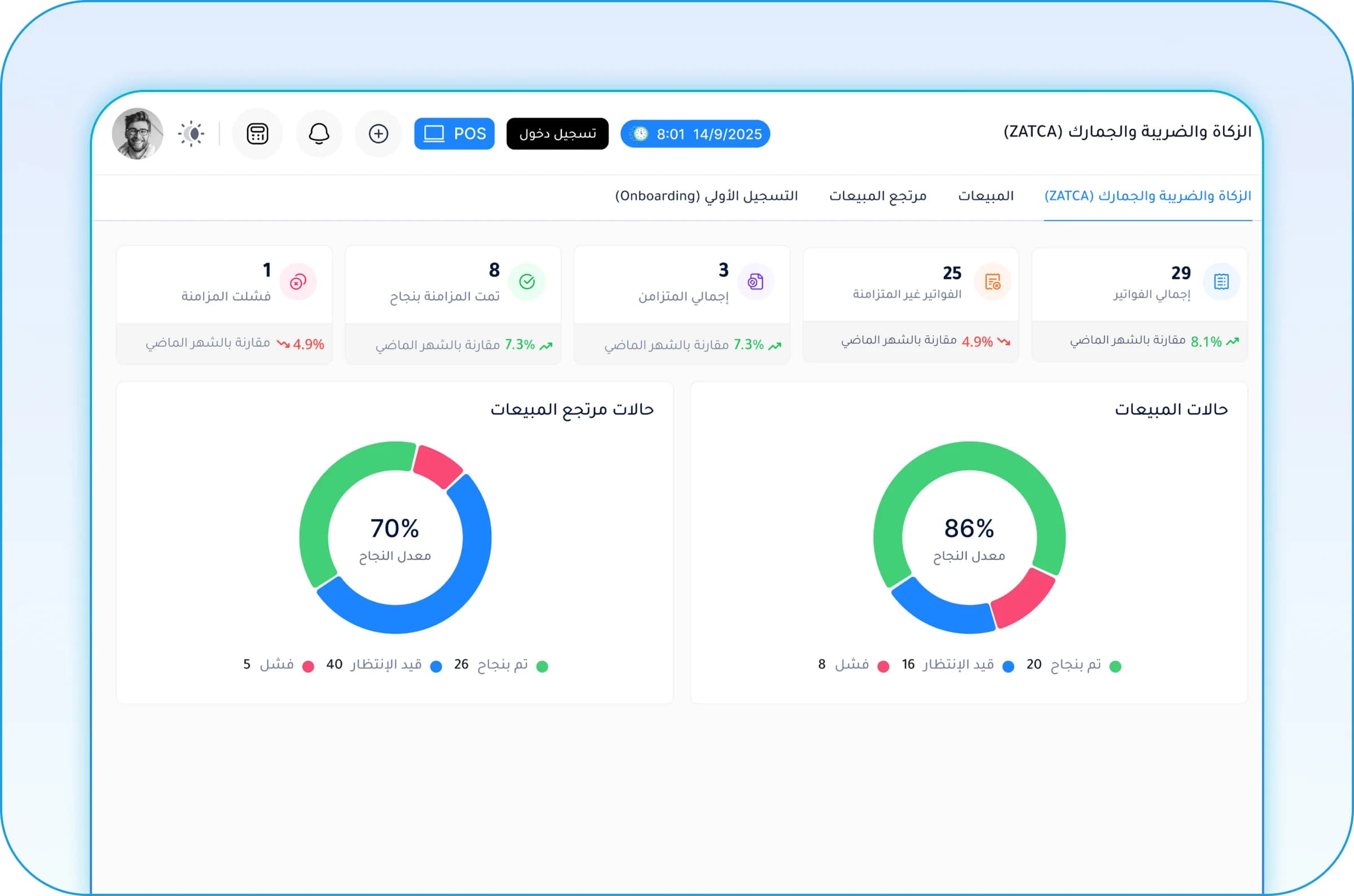
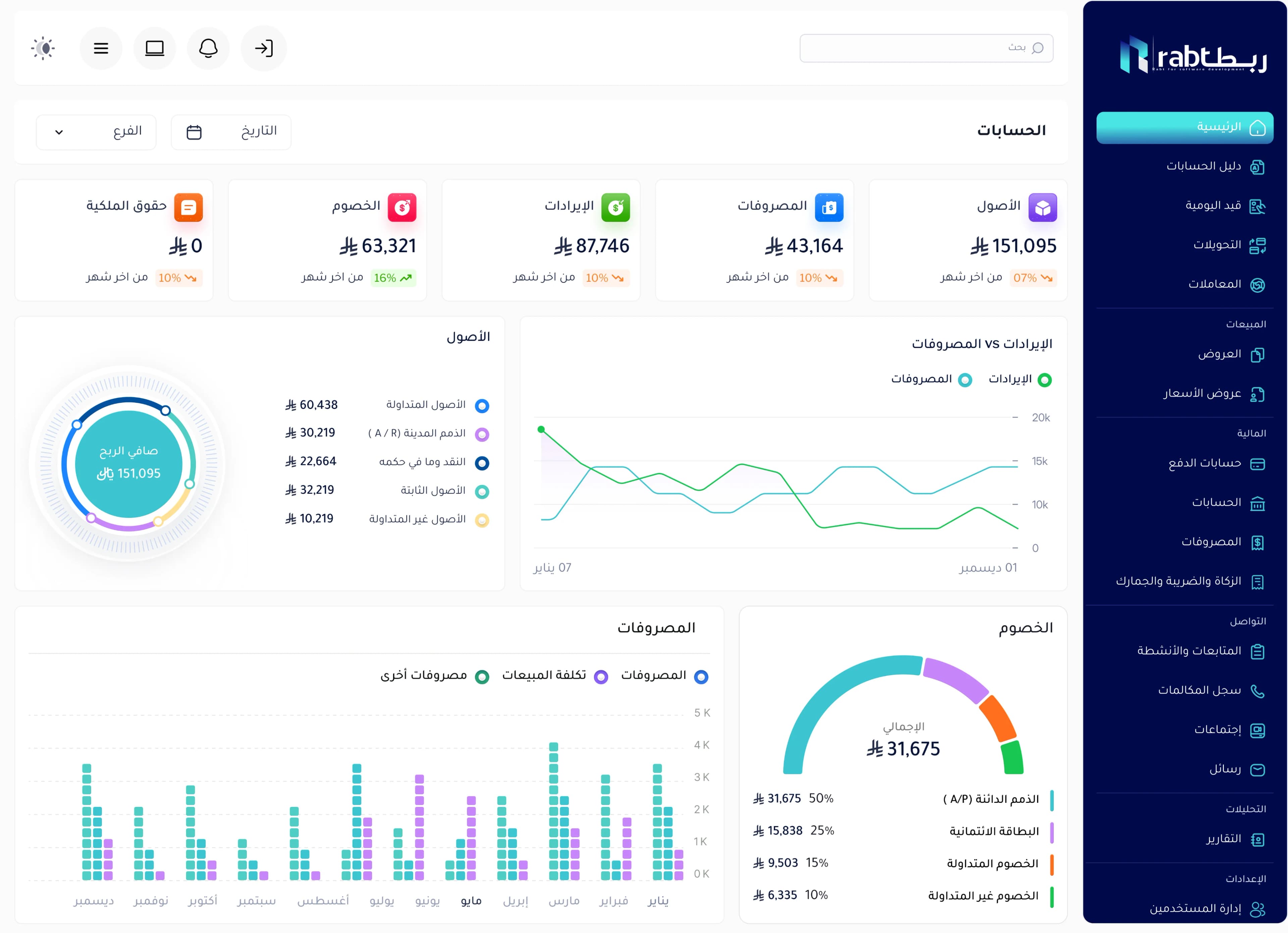
A maintenance management system (CMMS) brings everything about maintaining a company’s assets into one place: each asset’s record, the preventive schedule, work orders, spare parts and the cost of every repair. The goal is to move from firefighting after every sudden breakdown to planned maintenance that reduces downtime and cost.
What is a maintenance management system?
A maintenance management system is software for organizing and tracking every maintenance activity in a facility. It usually includes:
- An asset and equipment register with details and locations.
- Preventive maintenance scheduling by time or running hours.
- Maintenance requests and work orders assigned to technicians.
- Spare parts, their stock and cost.
- A complete maintenance history for every asset.
- KPIs and reports.
Types of maintenance: preventive, corrective and predictive
| Type | When | Example | Effect |
|---|---|---|---|
| Corrective | After a failure | Repairing a pump that stopped | Unplanned downtime, higher cost |
| Preventive | On a set schedule | Changing oil every 500 running hours | Fewer failures, planned downtime |
| Predictive | Based on asset condition and data | Acting when vibration or temperature rises | Maintenance at exactly the right time |
Most facilities start by cutting corrective maintenance with a clear preventive schedule, then add predictive elements as data builds up.
Maintenance KPIs: MTBF and MTTR
- MTBF (mean time between failures) = total running time ÷ number of failures. Higher means a more reliable asset.
- MTTR (mean time to repair) = total repair time ÷ number of repairs. Lower means a faster maintenance team.
- Preventive share of total maintenance: a higher share means better planning.
- Maintenance cost per asset: helps you decide whether to repair or replace.
Example: a machine that ran 1,000 hours and failed 4 times has an MTBF of 250 hours. If the four repairs took 12 hours, its MTTR is 3 hours.
The work-order cycle
- A maintenance request is opened by a user, or automatically from the preventive schedule.
- The supervisor sets the priority and assigns a technician.
- The technician records the diagnosis, work done and spare parts used.
- Spare parts are deducted from stock and labour and parts cost are calculated.
- The work order is closed and saved to the asset’s history.
Service centers that repair customers’ equipment
Device, vehicle or equipment service centers also need to receive customer requests, track the status of every item, manage warranties, keep customers updated and issue invoices. Linking this to inventory and accounting stops parts going missing and shows the profit of each job.
Maintenance management from RSD
RSD offers a maintenance center management system and an asset management system, both part of Rabt and linked to inventory, purchasing and accounting: work orders, preventive maintenance, a history for every asset, and performance and cost reports.
Frequently asked questions
What is the difference between preventive and corrective maintenance?
Preventive maintenance happens on a planned schedule to prevent failures; corrective maintenance happens after a failure. Preventive maintenance reduces sudden downtime and long-term cost.
What do MTBF and MTTR mean?
MTBF is mean time between failures and measures an asset’s reliability. MTTR is mean time to repair and measures how fast the maintenance team works.
Do I need a maintenance system with only a few machines?
If any machine stopping halts work or costs a lot, a preventive schedule and a clear repair history are worth it even with few machines.
Is the maintenance system linked to inventory?
In Rabt, yes: spare parts used on work orders are deducted from stock, and shortages show up so you can order from suppliers.